
COS and RoRD After 27 August 2026: What Support Coordinators and Participants Need to Know
By Sinclair Hurtis · 27 August 2026

A new law changed who can lodge a Change of Circumstances request. It did not change who can lodge a Request for Review of a Decision. Confusing the two is now an easy way to delay a participant's funding.
It is Thursday afternoon and a participant's mother calls to say her daughter's support needs have grown since the last plan. You have done this a hundred times. Pull the templates, gather the clinical letters, draft the Change of Circumstances submission and lodge it on her behalf so she does not have to navigate the NDIA portal herself.
Except from this week, that last step is no longer yours to do.
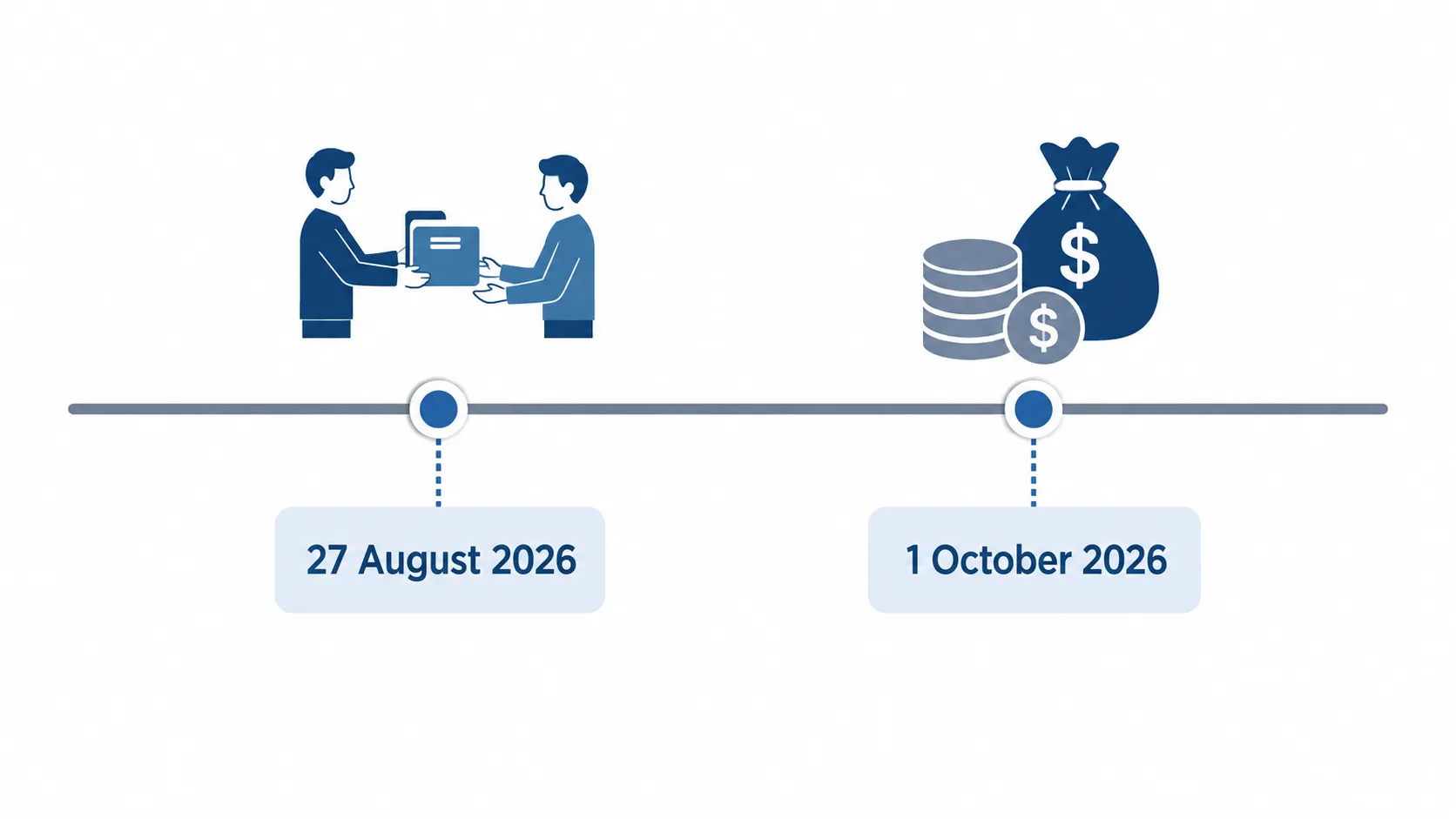
On 19 August 2026, Parliament passed the National Disability Insurance Scheme Amendment (Securing the NDIS for Future Generations) Act 2026. The Governor-General signed it into law on 20 August. The first tranche of changes took effect on 27 August 2026, and one of them sits right in the middle of everyday Support Coordination work.
What Actually Changed on 27 August 2026?
From 27 August 2026, only a participant, their plan nominee, or a child representative can formally request an unscheduled plan reassessment, known in the sector as a Change of Circumstances, or COS. Providers and third parties, including Support Coordinators acting under a service agreement, can no longer lodge that request directly.
This is a narrow change. It affects one process. But it is the process that sits at the centre of how most coordinators respond when a participant's needs shift outside the scheduled reassessment cycle, so the practical effect is significant.
It is worth being precise about what has not changed, because the sector conversation this week has blurred two processes that work very differently.
COS: Now Restricted to the Participant, Nominee, or Child Representative
A Change of Circumstances submission is used when a participant's situation has shifted significantly enough to justify a plan review before the scheduled reassessment date. Until 27 August 2026, a Support Coordinator could prepare the submission and lodge it with the NDIA on the participant's behalf.
That lodgement step is now restricted by law. A coordinator can still do everything that makes a COS strong: gather updated functional assessments, collect clinical letters, draft the narrative connecting the changed circumstances to the funding request, and structure the evidence so a delegate can approve it quickly. What a coordinator cannot do anymore is submit that request to the NDIA in their own capacity, or on the participant's behalf without the participant, nominee, or child representative being the one who formally lodges it.
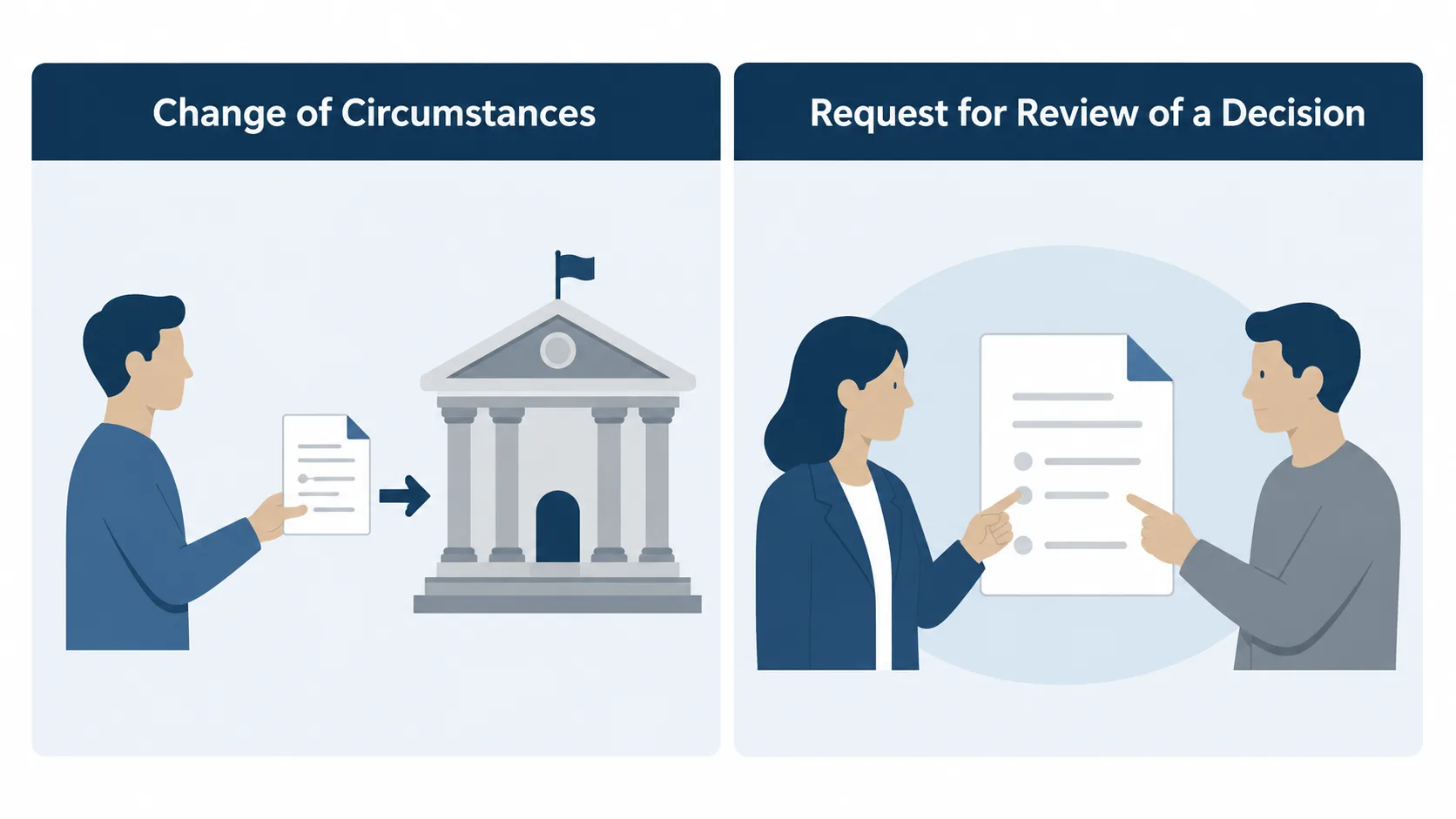
RoRD: Request for Review of a Decision, Unaffected by the 27 August Changes
A Request for Review of a Decision, or RoRD, is a different process under section 100 of the NDIS Act. It is used when a participant disagrees with a decision the NDIA has already made, such as a funding refusal or a plan that does not reflect an assessed need.
Nothing in the 27 August changes touches this pathway. A RoRD can still be requested in writing, by phone, in person, or with the help of an advocate or Support Coordinator, exactly as before. The confusion this week has come from people assuming that because COS lodgement rights were restricted, RoRD lodgement rights were too. They were not.
This distinction matters more than it might first appear. Getting it wrong in either direction has a cost. Telling a participant they still need a coordinator to lodge their COS wastes weeks. Telling a participant they now need to lodge their own RoRD adds an unnecessary barrier to a right they still have full support to exercise.
What This Means for Support Coordinators
If lodging COS requests directly has been part of your standard workflow, that workflow needs to change today, not gradually.
Update your COS process now. The preparation work does not change. The final step does. Build a clear handover point in your process where the completed submission goes to the participant, nominee, or child representative to lodge, rather than treating lodgement as something you complete for them.
Check who your nominee is, and confirm it in writing. For participants with a nominee or child representative, that person's authority to lodge on the participant's behalf remains intact. Confirm who holds that authority before you need it, not when a COS is due.
Keep RoRD support running as normal. There is no reason to change how you support a RoRD. Continuing to lodge these on a participant's behalf, with their authority, remains within your role.
Expect delays while the sector adjusts. NDIA staff, plan managers, and providers are working through the same change this week. Build in extra time for COS submissions over the coming month while processes catch up.

What This Means for Participants and Families
If you are a participant, nominee, or child representative, this change gives you a more direct role in one specific process, not less support overall.
You are now the one who lodges a Change of Circumstances. Your Support Coordinator can still prepare everything, the letters, the assessments, the written case. You, your nominee, or your child representative now need to be the one who submits it to the NDIA.
Your Support Coordinator can still lodge a Request for Review of a Decision for you. If you disagree with an NDIA decision, this process has not changed. Your coordinator or an advocate can still lodge it and support you through it.
Ask who holds nominee authority in your family. If your plan has a nominee or child representative listed, that person is now the one the NDIA expects to see lodging COS requests. If that is not up to date, it is worth confirming with the NDIA before you need to use it.
What Should Providers and Coordinators Do Right Now?
Audit your COS templates and processes this week. Anywhere your workflow assumes the coordinator submits the final request, update it to show the handover to the participant, nominee, or child representative.
Brief your participants proactively. Do not wait for the next COS to come up. A short, clear explanation now saves confusion and delay later.
Keep the RoRD and ART pathway as is. Do not apply this restriction where it does not belong. Misapplying it adds unnecessary friction to processes participants are entitled to full support with.
Watch for the October changes. This is the first of several tranches. Support budget resets for social, civic and community participation, and capacity building daily activities, begin from 1 October 2026 as plans are reassessed. That is a separate change with a separate set of preparation steps.
NDIS Reform Series
- 1.COS and RoRD After 27 August 2026: What Support Coordinators and Participants Need to Know (this article)
- 2.NDIS Support Budget Resets: Social, Civic and Community Participation Supports from October 2026 (coming soon)
- 3.The 90 Day Claims Submission Window: What Changes in December 2026 (coming soon)
- 4.Expanded Mandatory Provider Registration: What to Expect in 2027 (coming soon)
- 5.New Eligibility and Access Rules: Preparing for January 2028 (coming soon)
Need Help Updating Your Process?
The law changed on a Thursday. Most practices will not have updated their COS workflow by the following Monday. If you want a second set of eyes on how your Support Coordination process handles COS lodgement, nominee authority, or the upcoming October budget resets, this is what CollabEdge Solutions does every week.
Book a free 30 minute consultation: A practical conversation about what this change means for your practice or your family.
Sinclair Hurtis is an active NDIS Support Coordinator, partnering with My Ability Services in Melbourne, and the founder of CollabEdge Solutions. He builds practical tools for ethical NDIS providers and supports participants navigating the scheme directly.